Community
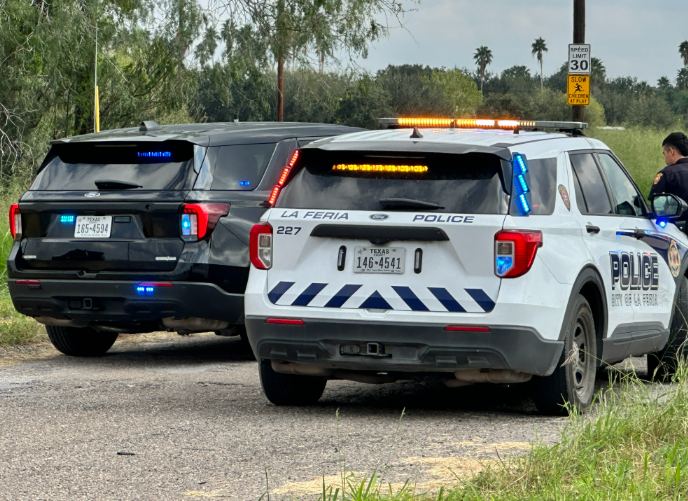
Man accused of running away from La Feria police
By Carlos Mendez
Advertisement · Why this ad?
Rafael earned his degree from Texas Tech University and has dedicated the last five years to reporting on health issues in the Rio Grande Valley. His work has appeared in various health-focused outlets and local news stations.
More from Rafael →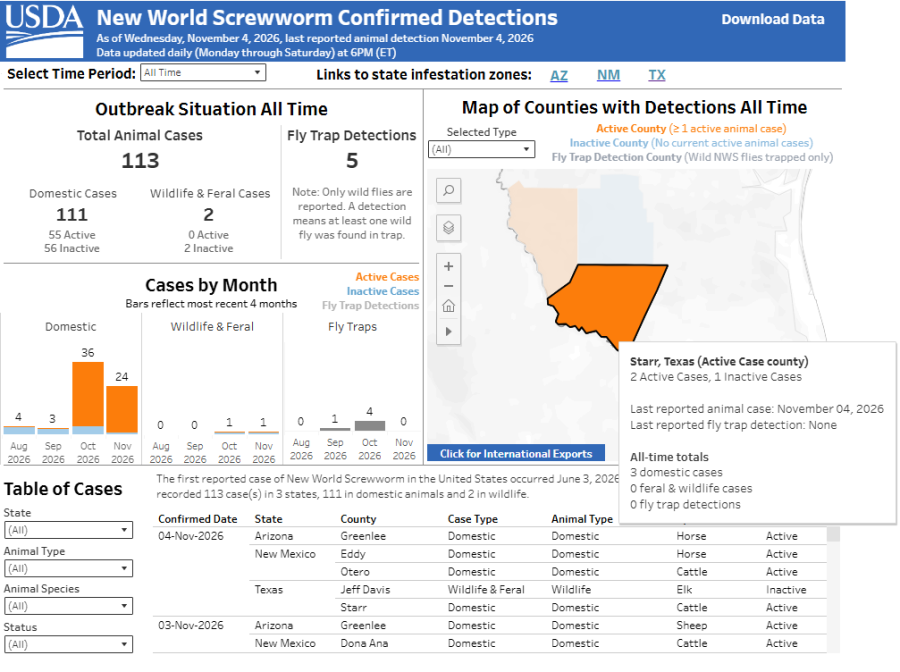
On a quiet morning in Edinburg, Maria Lopez noticed her beloved Labrador, Buddy, scratching incessantly and showing signs of distress. What started as a simple itch quickly revealed a more alarming issue—an open wound that refused to heal. Little did she know, this was the first sign of a troubling health threat now making its way into the Rio Grande Valley: the first reported case of dog screwworm in deep South Texas.
In a concerning development, the U.S. Department of Agriculture announced Monday the detection of an active case of the New World Screwworm in a dog located in Starr County. This marks the first such case in the region since the disease’s appearance in this part of Texas. The screwworm, a parasitic fly larva, is notorious for burrowing into living tissue, causing severe infections and, if left untreated, potentially fatal outcomes for animals and humans alike.
The case was confirmed after veterinary assessments and laboratory testing, signaling a new chapter in the ongoing efforts to monitor and control the spread of this dangerous parasite. The USDA’s announcement underscores the importance of vigilance, especially for pet owners and livestock farmers in the Valley, where the warm climate provides an ideal breeding ground for the screwworm.
The New World Screwworm, USDA screwworm information, was eradicated from the United States in the 1960s through a successful sterile insect technique program. However, recent detections indicate the parasite’s resurgence, likely due to climate factors and cross-border animal movements. The disease primarily affects livestock, pets, and sometimes humans, causing painful wounds that can become infected if not promptly treated.
The news has sent ripples through the local community, especially among pet owners and farmers who are now more alert to the signs of screwworm infestation. Local veterinarian Dr. Samuel Torres emphasized the importance of early detection, stating, “If you notice your animal scratching excessively, open wounds, or unusual behavior, seek veterinary care immediately. Early treatment can prevent severe complications.”
Many residents expressed concern over the potential spread, but also a sense of reassurance that local authorities and veterinary services are actively monitoring the situation. Community leaders are calling for increased awareness campaigns to educate the public about preventive measures, such as proper wound care and regular checkups for animals.
Preventive strategies are crucial in preventing the screwworm’s spread. Experts recommend keeping animals in clean, enclosed environments and regularly inspecting wounds or skin irritations. For livestock farmers, implementing strict quarantine procedures and working closely with veterinary officials can significantly reduce risk. The Texas Department of Agriculture is also advising residents to report any suspicious cases immediately to prevent wider outbreaks.
The Rio Grande Valley, a bustling region known for its agriculture, vibrant communities, and diverse ecosystems, faces unique challenges when it comes to disease control. The warm climate, which sustains the region’s rich agricultural output, also creates ideal conditions for pests like the screwworm to thrive. Historically, the Valley has been a hub for cattle ranching, dairy farming, and pet ownership, making the potential spread of screwworm a significant concern for local economies and public health.
Local farmers, many of whom have generations of experience in cattle and crop production, are acutely aware of how devastating an outbreak can be. The screwworm not only threatens livestock health but can also impact the region’s economy by reducing productivity and increasing costs associated with disease management. Pet owners, many of whom treat their animals as family members, are equally worried about their pets’ safety and well-being.
Community organizations, including the Hidalgo County Livestock Association and local veterinary clinics, are mobilizing to educate residents on how to identify early symptoms and prevent the spread. Local schools and community centers are also planning outreach programs to raise awareness about the importance of animal health and hygiene, especially during the warmer months when the screwworm’s activity peaks.
Several key figures are leading the charge to contain and understand the threat. Dr. Maria Gonzalez, a veterinarian based in McAllen with over 20 years of experience, has been instrumental in raising awareness among local pet owners. “I’ve seen how quickly screwworm can cause irreversible damage if not caught early,” she explains. “We’re encouraging everyone to do regular checks, especially after outdoor activities, and to seek immediate veterinary care if they notice anything unusual.”
On the governmental side, officials from the Texas Department of Agriculture and the USDA are coordinating efforts to monitor the situation, conduct inspections, and implement control measures. Their work includes deploying trapping stations, conducting public education campaigns, and collaborating with border health agencies to prevent cross-border transmission, which remains a concern given the proximity to Mexico, where screwworm cases have been reported more frequently.
Local media outlets are also playing a vital role by disseminating information, dispelling myths, and providing updates on the situation. Community leaders are emphasizing that a united effort is essential to prevent a larger outbreak, which could have far-reaching consequences for the region’s health and economy.
The detection of this first dog case signals a need for heightened vigilance across the Valley. Local agencies are working in collaboration with federal authorities to monitor the situation and implement control measures. Efforts include intensified surveillance, public education campaigns, and possibly targeted sterilization programs to curb the population of the screwworm fly.
For families and pet owners, this serves as a reminder of the importance of regular veterinary care and maintaining a clean environment. As the community rallies to address this threat, faith in the resilience and unity of the Valley remains strong. Communities built on genuine commitment and faith are best equipped to face health challenges together, ensuring a safe and healthy future for all.
Looking ahead, ongoing research and cooperation between local and federal agencies will be vital in preventing further cases. The Valley’s rich history of overcoming health crises through community effort and faith offers hope that this threat can be contained and eradicated once again, safeguarding our families, pets, and livestock for generations to come.
By Carlos Mendez

By Rafael Torres

By Sophia Martinez

By Rafael Torres