Defendant in insanity case's interactions with first responders
With over a decade of experience, Marco Sullivan reports on the Austin FC and other professional sports teams. He earned his degree from Texas State University and has contributed to ESPN Radio and the San Antonio Express-News.
More from Marco →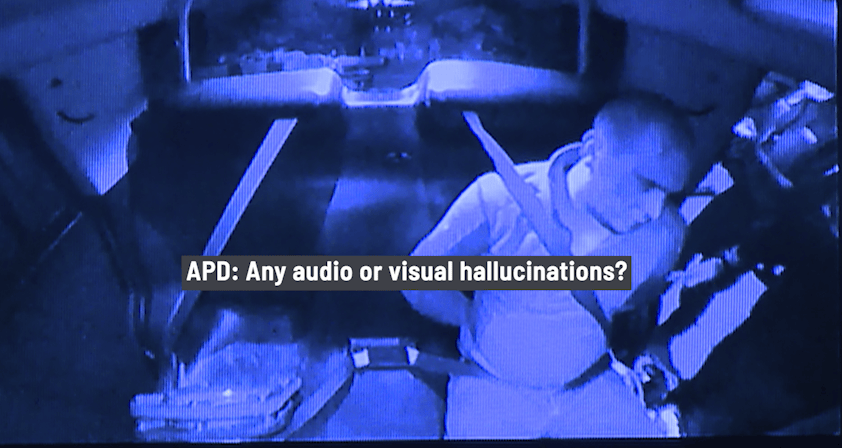
In this story
As the courtroom buzzed with anticipation, the air thick with tension, the video footage flickered to life on the screen. It captured a moment that felt surreal—a man, Shane James, seemingly lost in a whirlwind of confusion, interacting with first responders after his arrest on December 5, 2023. This footage, which was played in court this week, is not just a glimpse into a critical incident; it’s a window into the complexities of mental health and the challenges faced by those who serve and protect our community.
What Happened
On that fateful night in December, Shane James was apprehended by police under circumstances that have since raised questions about his mental state. The video played during the trial shows interactions that are both poignant and troubling, revealing a man in distress, grappling with his reality. As officers placed him in handcuffs, the footage highlights not only the procedures followed by law enforcement but also the immediate responses from medical personnel who were called to the scene.
In the video, James appears disoriented, his words slurred, and his body language suggests a struggle to comprehend what was happening around him. This raises significant concerns regarding how mental health crises are managed by first responders. The footage is critical as it provides insight into the challenges faced by those who are often the first line of defense in such situations.
As the trial unfolds, it becomes clear that the interactions between James and the first responders are pivotal in understanding the broader implications of mental health awareness and the need for specialized training for police and medical personnel. This incident is not just about one individual; it resonates deeply within the Austin community, highlighting the need for compassion and understanding in moments of crisis.
Community Reaction
The community's response to the footage has been one of mixed emotions. While many express sympathy for Shane James and his apparent struggles, others are concerned about the adequacy of training provided to first responders when dealing with mental health issues. Local advocacy groups have rallied to raise awareness about the importance of mental health resources and the need for better training programs for police officers and medics.
“This isn’t just about Shane; it’s about all of us,” said Maria Lopez, a mental health advocate in Austin. “We need to ensure that our first responders are equipped to handle these situations with the care and understanding they deserve.” Her words echo the sentiments of many who believe that the system must evolve to better support individuals facing mental health crises.
Voices of Concern
Community leaders have also voiced their concerns, urging local government officials to prioritize mental health initiatives. “We cannot ignore the reality that many of our residents are struggling,” said Councilmember John Davis during a recent town hall meeting. “It’s our responsibility to create a system that protects everyone, especially those who are vulnerable.” His call to action has sparked discussions about funding for mental health services and the importance of community resources.
The emotional toll of mental health crises is not just felt by individuals like Shane but also by families and friends who often find themselves helpless in the face of their loved ones' struggles. Local residents have shared their own stories, highlighting the need for a compassionate approach to mental health. “I’ve seen friends go through similar situations, and it’s heartbreaking,” said Sarah Thompson, a long-time Austin resident. “We need to do better for each other.”
Understanding Mental Health Crises
The footage from the courtroom is a stark reminder of how mental health crises unfold and the role of first responders in these situations. Mental health issues can manifest in various ways, and without proper training, first responders may struggle to identify the best course of action. This lack of understanding can lead to tragic outcomes, as seen in various incidents across the country.
In Austin, organizations such as the Austin Mental Health Services are working tirelessly to bridge the gap between law enforcement and mental health care. Their efforts focus on providing training and resources to ensure that first responders can effectively address mental health crises with compassion and competence.
Moreover, the community is coming together to advocate for policy changes that prioritize mental health support. As the trial progresses, there is hope that it will shed light on the urgent need for reform and the establishment of protocols that prioritize the well-being of individuals in crisis. The collaboration between local government, mental health organizations, and community advocates is crucial in creating a framework that supports both first responders and those in need.
Experts stress the importance of mental health education for first responders, emphasizing that understanding the nuances of mental illness can drastically change the outcome of encounters. According to Dr. Emily Carter, a clinical psychologist, “Training programs that incorporate real-life scenarios can prepare first responders to handle these situations more effectively. It’s about equipping them with the tools they need to de-escalate crises.”
What's Next
As the trial of Shane James continues, many are left wondering what the outcome will mean for the future of mental health awareness in Austin. Will this case serve as a catalyst for change, prompting local officials to take action and implement better training for first responders? The community is eager to see a shift in how mental health crises are addressed, with a focus on compassion and understanding rather than punitive measures.
There is a growing movement in Austin to encourage open conversations about mental health. Community events and workshops are being organized to educate residents about recognizing the signs of mental health issues and how to respond effectively. The goal is to foster an environment where individuals feel safe seeking help without fear of stigma.
As part of these initiatives, local schools and universities are also getting involved. The Austin Independent School District has begun incorporating mental health education into their curriculum, aiming to equip younger generations with the knowledge and resources they need to support themselves and others. “Educating our youth about mental health is crucial,” said Principal Linda Martinez of Austin High School. “We want to create a culture of understanding and support that lasts a lifetime.”
In the coming months, we can expect to see more discussions around mental health initiatives, with local leaders advocating for increased funding and resources. The hope is that by addressing these issues head-on, the community can create a safer and more supportive environment for everyone.
As we reflect on the events surrounding Shane James’ case, it is essential to remember that behind every statistic and every headline are real people—individuals and families who are impacted by mental health challenges. By fostering a culture of empathy and understanding, we can work together to build a stronger, more resilient Austin.