
Sports
Week 10 Team of the Week winner: Raymondville Bearkats
By Erika Vasquez
Advertisement · Why this ad?
With a background in sports journalism from Texas Southern University, Javier has previously reported for KGBT-TV and covered the local professional teams extensively. He has a deep understanding of the sports culture in South Texas, which he brings to his writing.
More from Javier →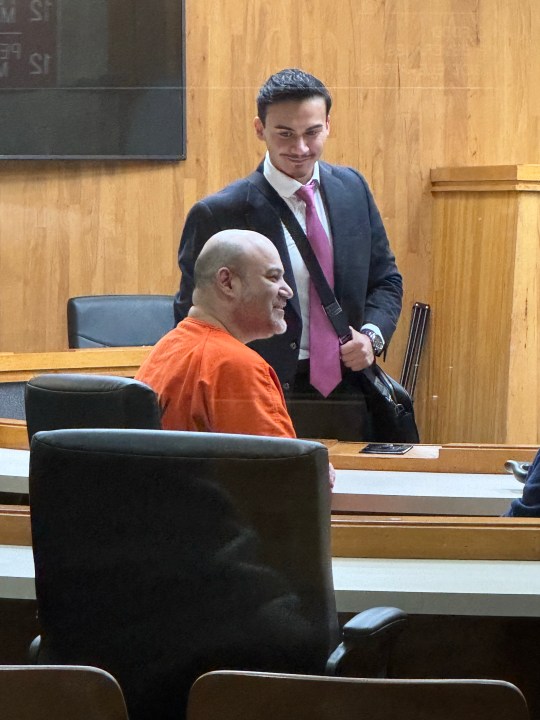
On a chilly autumn evening in Harlingen, the tension in the air was palpable as families gathered in the local community center, clutching their loved ones a little tighter. Among the chatter and laughter, there were hushed conversations about justice, redemption, and the fate of Brownsville death row inmate John Allen Rubio. As the clock ticks down to his scheduled execution date, the Cameron County District Attorney's Office is making its case for why this execution should proceed as planned.
On October 28, 2023, John Allen Rubio's defense team filed a motion with the Texas Court of Criminal Appeals, seeking a stay on his execution set for November 9. Rubio, who has been on death row for nearly two decades after being convicted of the brutal murder of three children in 2003, is at the center of a legal battle that has implications far beyond his own fate. The Cameron County District Attorney's Office, led by DA Luis Saenz, has responded robustly, arguing that the motion to pause the execution is unfounded and should be denied.
In court documents, the DA's office emphasized that the legal processes surrounding Rubio's case have been thoroughly exhausted. They argue that the evidence against him is overwhelming, and delaying the execution would only prolong the suffering of the victims' families. This is a sentiment echoed by many in the community, who feel a deep sense of injustice that has lingered for far too long.
As the legal proceedings unfold, the community is left grappling with the emotional weight of the case. For many, the story of John Allen Rubio is not just a legal matter; it is a painful reminder of a tragedy that shook Brownsville to its core. The DA's office is advocating for closure, not just for the families of the victims, but for the community as a whole.
The response from the Edinburg and Brownsville communities has been mixed, with some residents advocating for justice while others call for a re-examination of the case. Many families in the area have been directly impacted by the events surrounding Rubio's actions, and their voices are crucial in this ongoing dialogue. Local resident Maria Gonzalez, who lost a friend in the tragedy, expressed her support for the DA's position, stating, "We need to honor the memories of those children and bring some peace to their families. It's been too long."
However, not everyone shares this viewpoint. Some community members have raised concerns about the fairness of the trial and the potential for wrongful execution. These voices are particularly poignant in a community that values family and justice, and they highlight the complexities involved in capital punishment cases. As these discussions continue, it is clear that the emotional scars from the past run deep.
Activist groups have also chimed in, advocating for a more compassionate approach to justice. Organizations such as the ACLU and the Death Penalty Information Center are urging the courts to consider the implications of capital punishment on families and communities. They argue that the focus should be on rehabilitation rather than retribution, a sentiment that resonates with those who believe in the power of redemption.
As the community navigates these complex emotions, it becomes increasingly evident that this case is not merely about one man’s fate; it’s about the values that define Edinburg and Brownsville. The struggle for justice must balance the need for accountability with the principles of compassion and understanding.
As the Texas Court of Criminal Appeals prepares to review the motion to stay Rubio's execution, the stakes could not be higher. If the court denies the motion, Rubio will face execution on November 9, marking a significant moment in the ongoing saga of this case. The DA's office is prepared to move forward, emphasizing the importance of closure for the victims' families and the community at large.
The legal team representing Rubio, on the other hand, is likely to continue its fight, seeking to highlight any perceived injustices in the original trial. This could lead to further appeals and delays, prolonging the uncertainty that has haunted the community for years. The tension is palpable as both sides brace for the court's decision, with families on both sides feeling the weight of history and the potential for future repercussions.
In the meantime, community forums are being organized to discuss the implications of the case, allowing residents to voice their opinions and concerns. These discussions are vital in fostering a sense of unity and understanding, even amidst the pain and division that this case has caused. As the date approaches, the community must come together to support one another, regardless of differing opinions on the execution.
The ongoing situation surrounding John Allen Rubio has prompted local organizations to step up and offer support for families affected by the tragedy. Groups like the Rio Grande Valley Chamber of Commerce and the Lifeline Counseling Center are providing resources for those in need, whether it be legal assistance, emotional support, or community engagement opportunities.
These resources are crucial for families navigating the emotional turmoil that accompanies such high-profile cases. The community is encouraged to reach out and utilize these services, fostering healing and understanding as they face the uncertain future. In times of crisis, it is the strength of community bonds that can help individuals find solace in one another.
As the court date approaches, the community is reminded of the importance of unity and support. Whether one supports the execution or advocates for a re-examination of the case, it is essential to approach the situation with compassion and understanding. Families are not just statistics; they are individuals with stories, pain, and hopes for the future.
The outcome of this case will undoubtedly leave a lasting impact on Edinburg and Brownsville, shaping the conversation around justice and community values for years to come. As residents prepare for the upcoming days, they are called to reflect on what justice truly means and how it can be achieved in a way that honors both the victims and the community.
In conclusion, the case of John Allen Rubio is more than just a legal battle; it is a reflection of the community's struggle with grief, justice, and the pursuit of closure. The upcoming decision from the Texas Court of Criminal Appeals will serve as a pivotal moment, one that will resonate deeply within the hearts of families and the fabric of Edinburg and Brownsville.
By Erika Vasquez
By Erika Vasquez

By Javier Gonzalez
By Julio Ramirez