Government
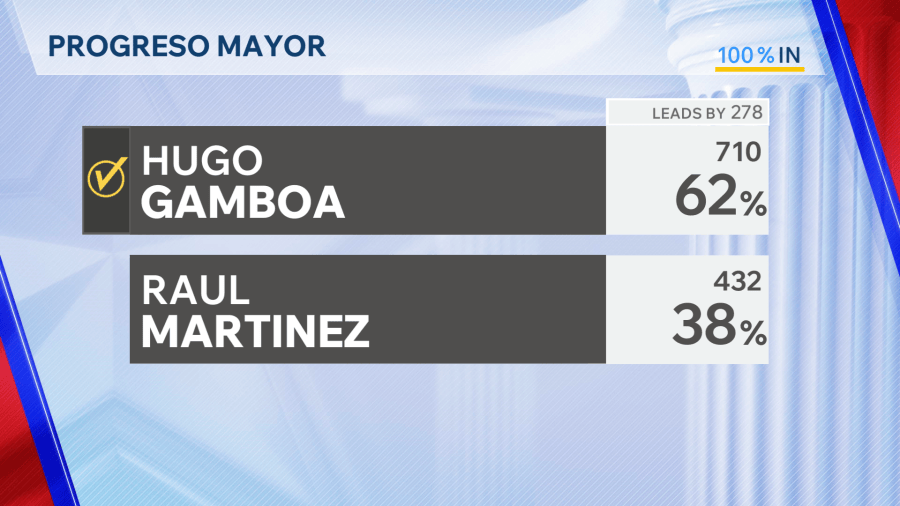
Hugo Gamboa re-elected as Progreso mayor
By David Chen
Advertisement · Why this ad?
A graduate of the University of Texas Rio Grande Valley, Julio has covered housing issues for the Edinburg Times and is dedicated to uncovering the complexities of urban development and housing availability in the Valley.
More from Julio →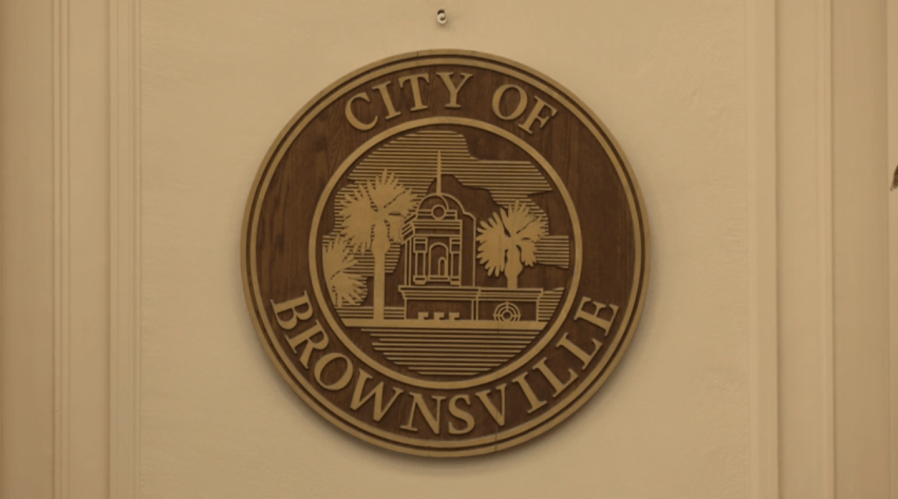
On a warm evening in Harlingen, Texas, the air buzzed with anticipation as residents gathered for a pivotal city commission meeting. Among them was Maria Gonzalez, a lifelong Brownsville resident and mother of three, who held her breath as the city leaders deliberated on the future of her community. With the flick of a pen, the Brownsville City Commission enacted a 90-day moratorium on data centers, a decision that would echo through the neighborhoods and homes of the city.
On Wednesday evening, the Brownsville City Commission took decisive action to address the growing concern over data centers in the area. The commission's unanimous vote to impose a 90-day moratorium on processing, acceptance, and approval of data center applications marks a significant step in shaping the future landscape of the city. As of Thursday, the moratorium is in effect, pausing any new developments related to data centers.
This decision was not made lightly; it followed extensive discussions among city leaders and community members who voiced their concerns about the potential impact of data centers on the local environment, infrastructure, and quality of life. The moratorium allows the city to take a step back and assess the implications of these facilities, which have been cropping up across the nation.
For many residents, including Gonzalez, this decision is a breath of fresh air. "We want to ensure that our community thrives, not just survives," she said, her voice steady with conviction. The moratorium provides a window for the city to evaluate the long-term effects of such technology-driven developments, ensuring that they align with the values and needs of the community.
The rise of data centers has sparked a wave of apprehension among residents who fear that these facilities could overshadow the rich cultural tapestry of Brownsville. Concerns range from the environmental impact of increased energy consumption to the potential strain on local resources. As the city embarks on this moratorium, community leaders are eager to engage residents in discussions about the future.
Local organizations, such as the Brownsville Chamber of Commerce, have been vocal in advocating for a balanced approach to development. They emphasize the importance of integrating technology in a way that complements the community’s character. According to chamber president, Carlos Martinez, "We need to ensure that any development aligns with our vision for a sustainable and vibrant Brownsville. We must protect our heritage while embracing innovation."
In the heart of Brownsville, voices resonate with a shared concern. Residents like Maria Gonzalez represent a chorus of families who are invested in preserving the community's integrity. "We want our children to grow up in a place that values family, faith, and community," she expressed passionately. "It's essential that we consider the long-term effects of these developments on our neighborhoods."
Moreover, the moratorium opens up a space for dialogue, allowing community members to share their thoughts and concerns with city officials. This engagement is crucial for fostering a sense of ownership and responsibility among residents, who are eager to contribute to the decision-making process that shapes their city.
While the moratorium pauses the growth of data centers, it also brings forth questions about the economic implications for Brownsville. Data centers are often seen as a double-edged sword; they promise job creation and technological advancement but can also lead to challenges such as increased energy demands and infrastructure strain.
The city's leadership is keenly aware of the need to balance economic growth with community welfare. As they navigate this delicate landscape, the commission is committed to exploring alternative avenues for economic development that align with the community’s values. Brownsville is at a crossroads, and the decisions made in the coming months will significantly influence its trajectory.
Data centers can bring in significant revenue through taxes and job creation, but the immediate community must also consider the long-term sustainability of such growth. According to local economist Dr. Elena Ramirez, "While data centers can provide short-term economic benefits, we must analyze how they affect local businesses and the environment over time. It’s crucial that we don’t sacrifice our community’s health for economic gain." This sentiment resonates with many residents who fear the potential for rapid, unchecked growth that could ultimately detract from Brownsville's unique character.
As the 90-day moratorium unfolds, city officials are preparing to engage with residents through town hall meetings, surveys, and community forums. These initiatives aim to gather input and foster a collaborative approach to decision-making. The goal is to create a comprehensive plan that addresses the needs of the community while considering the potential benefits of technological advancements.
Moreover, the city is exploring partnerships with local universities and organizations to conduct studies on the impact of data centers. By leveraging academic resources, Brownsville aims to make informed decisions that prioritize the well-being of its residents. This proactive approach reflects a commitment to not only preserving the community’s identity but also embracing the future with open arms.
To facilitate community engagement, the city has announced a series of workshops aimed at educating residents about the implications of data centers. These workshops will feature experts in urban planning, environmental science, and community development, providing residents with a well-rounded perspective on the issue. The hope is that by equipping residents with knowledge, they can engage more effectively in discussions about the future of their city.
The 90-day moratorium on data centers in Brownsville signifies more than just a pause in development; it represents a collective stand for community values and a commitment to preserving the essence of what makes Brownsville unique. As residents like Maria Gonzalez rally for a future that honors family, faith, and unity, the city embarks on a journey to balance progress with preservation.
In the coming months, as discussions unfold and decisions are made, the hope is that Brownsville will emerge stronger, more united, and ready to embrace the challenges of the future. The journey ahead is one of collaboration, understanding, and a shared vision for a brighter tomorrow.
By David Chen

By Maria Salazar
By Clara Jimenez

By Erika Vasquez