Schools
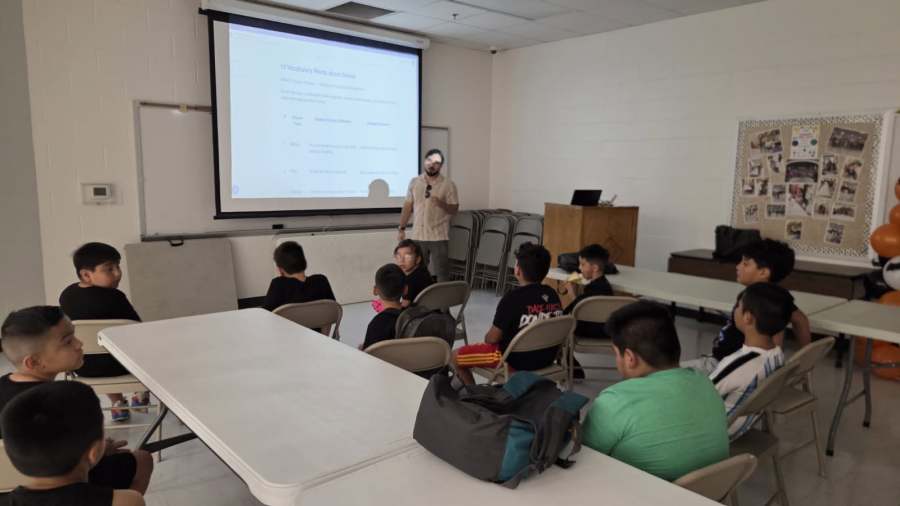
Hidalgo County Precinct 2 hosts kids soccer program
By Sophia Ramirez
Advertisement · Why this ad?
Rafael earned his degree from Texas Tech University and has dedicated the last five years to reporting on health issues in the Rio Grande Valley. His work has appeared in various health-focused outlets and local news stations.
More from Rafael →
On a bright Monday morning in Edinburg, a group of eager fourth-graders gather around a vibrant display of farm tools and fresh produce, their eyes wide with curiosity. For many of these children, the world of agriculture feels distant—something they see only in textbooks or on weekend visits to family farms. But this week, thanks to the annual Ag Awareness Week, over 4,000 students from across the Rio Grande Valley are stepping into the heart of farming life, gaining firsthand experience that bridges classroom lessons with real-world applications. This event isn’t just about learning; it’s about cultivating an understanding of the vital role agriculture plays in their daily lives and the future of the Valley.
The four-day event, held at various locations including the Edinburg Consolidated Independent School District facilities, features interactive stations where students can plant seeds, examine farm machinery, and even sample fresh produce. Organized by local agricultural agencies and schools, the event aims to ignite interest in farming careers and promote awareness about sustainable practices. Fourth-graders from Hidalgo and Cameron counties are experiencing everything from soil testing to livestock care, gaining a comprehensive look at how agriculture sustains their community and economy.
One highlight is the demonstration of modern farming technology, such as GPS-guided tractors and drone monitoring, illustrating how innovation is transforming traditional practices. Students are also learning about the importance of water conservation and soil health, critical issues facing farmers today. Teachers report that the hands-on approach helps solidify concepts that often seem abstract in textbooks, making the learning both memorable and impactful.
Parents and community leaders have expressed strong support for Ag Awareness Week, recognizing its role in fostering a deeper appreciation for local farmers and ranchers. Maria Lopez, a parent whose son attended the event, shared, “It’s inspiring to see how much effort goes into producing the food we eat. My child now understands that agriculture isn’t just about planting seeds—it’s about science, technology, and caring for the land.” The event also garners praise from local officials, who see it as a vital step in strengthening community ties and promoting the American values of hard work and family commitment.
Many participating families emphasize the importance of faith and strong marriages in building resilient communities. As one local farmer and father of three, Juan Ramirez, noted, “Our family’s faith guides us in caring for the land and each other. Events like this remind our children of the importance of integrity and perseverance—values that are essential both on the farm and in life.” Such messages resonate deeply in a region where family bonds and faith are cornerstones of daily life, reinforcing the idea that a community built on shared values can withstand economic and environmental challenges.
Behind the scenes, local farmers and community leaders have played an integral role in making Ag Awareness Week a success. Many of these farmers have dedicated their lives to sustainable agriculture, often balancing traditional practices with innovative techniques to adapt to changing environmental conditions. For example, farmers like Rosa Martinez, who manages a family-owned pecan orchard near Harlingen, have been actively involved in educational outreach for years. Rosa, 52, has been teaching local students about water conservation and pest management, emphasizing that the future of farming depends on nurturing new generations.
Community leaders, including city officials and representatives from the Texas Department of Agriculture, see these events as vital for economic development. As Edinburg Mayor Richard Molina explained, “Agriculture is the backbone of our economy. By investing in our youth and educating them about farming, we’re securing the future of our community and preserving our heritage.” Their support underscores a broader regional effort to sustain and grow the Valley’s agricultural industry, which provides thousands of jobs and contributes significantly to the local economy.
Many participating families emphasize the importance of faith and strong marriages in building resilient communities. As one local farmer and father of three, Juan Ramirez, noted, “Our family’s faith guides us in caring for the land and each other. Events like this remind our children of the importance of integrity and perseverance—values that are essential both on the farm and in life.” Such messages resonate deeply in a region where family bonds and faith are cornerstones of daily life, reinforcing the idea that a community built on shared values can withstand economic and environmental challenges.
The Rio Grande Valley’s economy has long been rooted in agriculture, with crops like cotton, citrus, and vegetables supporting thousands of families. For decades, the region has been a hub of farming innovation, blending traditional practices with cutting-edge technology. However, as environmental challenges such as drought, hurricanes, and soil degradation intensify, the need for a new generation of farmers who are educated in sustainable practices becomes more critical than ever.
Moreover, the Valley’s diverse population, which includes a significant Hispanic community, has deep roots in farming traditions. Many families have passed down agricultural knowledge through generations, making events like Ag Awareness Week a celebration of cultural heritage as much as economic necessity. Local farmers like Rosa Martinez often share stories of her grandfather, who farmed the same land decades ago, emphasizing the importance of preserving these traditions while embracing innovation.
Looking ahead, organizers plan to expand Ag Awareness Week to include more schools and introduce new topics such as organic farming, renewable energy, and climate resilience. The goal is to inspire the next generation of farmers, scientists, and community leaders committed to sustainable growth. Local agencies, including the Texas Department of Agriculture, are also working to increase access to agricultural education through scholarships and mentorship programs.
In addition, partnerships with local universities and community colleges are being developed to create pathways for students interested in agricultural sciences, agribusiness, and environmental management. These collaborations aim to provide hands-on training, internships, and research opportunities, ensuring that Valley youth are well-equipped to face future challenges.
For families interested in continuing the conversation at home, resources are available through the Texas Agriculture Education Programs. These initiatives are designed to foster a lifelong appreciation for farming, conservation, and stewardship of the land. Local extension offices also offer workshops and summer camps focused on gardening, animal care, and sustainable farming techniques, making it easier for families to engage with agriculture beyond the classroom.
As the week concludes, students leave with more than just knowledge—they carry a renewed respect for the farmers whose dedication keeps their community thriving. The Valley’s agricultural future depends on nurturing this curiosity and commitment, ensuring that farming remains a vital part of regional identity and economic stability.
In a region where agriculture remains a backbone of the local economy, fostering understanding and appreciation among young minds is more important than ever. Events like Ag Awareness Week serve as a reminder that the future of farming depends on the next generation’s curiosity, faith, and commitment to stewardship. As families and educators work together, they help ensure that the Valley’s rich agricultural legacy continues to flourish for generations to come.
By Sophia Ramirez

By Erika Vasquez

By Erika Vasquez

By Rafael Torres